Mastering survival in solo ranked matches of battle royale games like PUBG demands more than just sharp shooting skills. It’s about strategic positioning, smart resource management, and understanding the ever-changing dynamics of the battlefield.
From choosing the right drop spots to knowing when to engage or evade, each decision can make or break your game. I’ve spent countless hours refining these tactics and noticed how subtle adjustments can significantly boost your win rate.
If you’re aiming to climb the ranks and stay alive longer, there’s a lot to consider beyond raw reflexes. Let’s dive into the details and explore how you can elevate your solo survival game to the next level!
Optimizing Your Landing Strategy
Picking Drop Zones Based on Flight Path and Player Density
Choosing where to land is often the make-or-break moment in solo ranked matches. I’ve noticed that the best players don’t just pick popular spots blindly; they analyze the flight path and predict where others might drop.
For example, if the plane’s trajectory passes over hot zones like Pochinki or School, expect heavy competition there. Sometimes, opting for quieter areas on the map’s edges can give you valuable time to loot and prepare without early firefights.
Personally, I’ve found that balancing between slightly contested zones and safer outskirts offers the best chance to gear up efficiently while still positioning well for mid-game rotations.
Landing Quickly and Efficiently to Secure Early Advantage
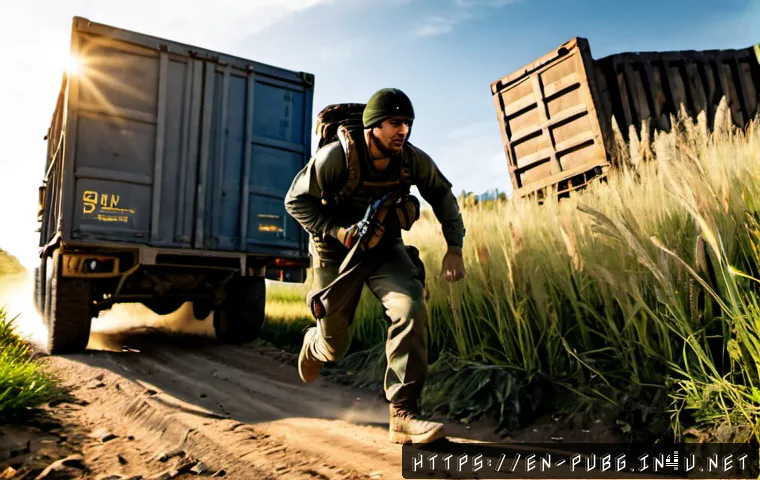
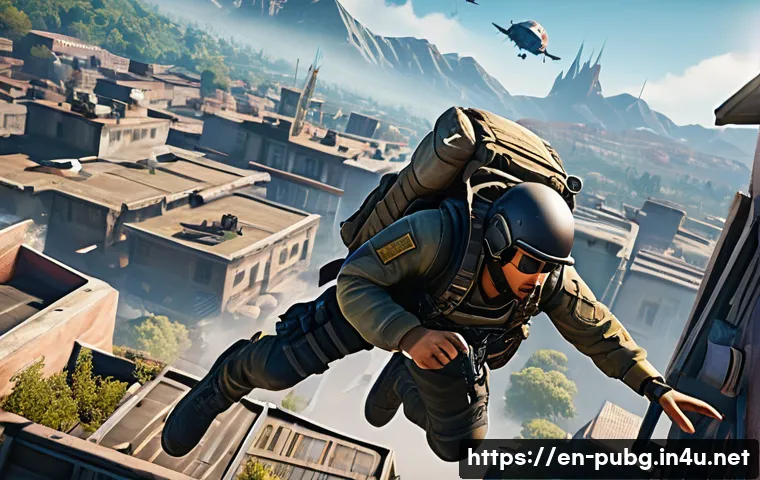
Speed is crucial once you decide on a drop spot. I make it a point to dive straight down to gain maximum velocity, then pull my parachute at the optimal height to glide directly onto rooftops or key loot areas.
This tactic lets me grab weapons and armor before others can reach the ground, which often turns early encounters in my favor. It’s also important to have a mental checklist of high-tier loot locations within your drop zone so you can prioritize spots that maximize your early-game strength.
Adapting Your Drop Based on Match Dynamics
Sometimes, circumstances force you to change your drop plan mid-air. If you spot multiple players heading toward your original spot, it’s better to pivot to a secondary location rather than engage in a chaotic fight right away.
I’ve learned that being flexible and having backup drop zones memorized can save you from early elimination. This adaptability also helps when the plane path is unusual, or when you want to surprise opponents by landing somewhere unexpected.
Mastering Movement and Positioning in the Mid-Game
Utilizing Natural Cover and Terrain for Stealth
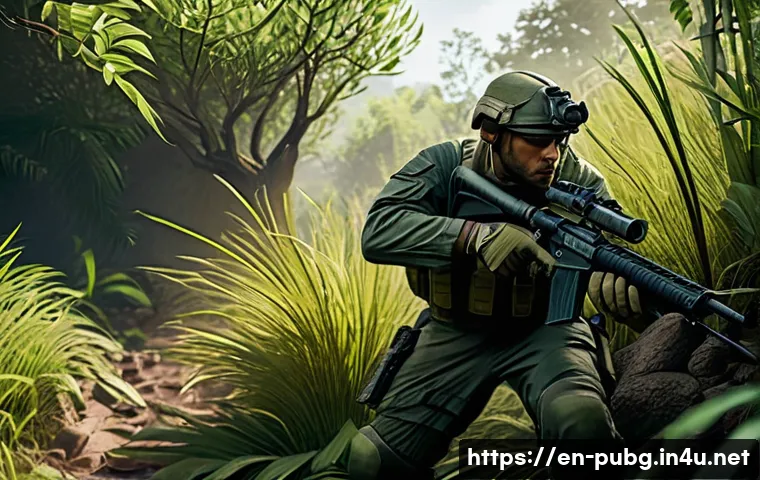
One thing that separates top solo players is how they use the environment to their advantage. Moving through bushes, trees, and behind rocks minimizes your visibility and reduces the chance of being spotted by snipers or campers.
I tend to avoid running across open fields unless absolutely necessary and instead hug the edges of hills or buildings. This way, I can approach enemy positions or rotate into the safe zone with a lower risk of being caught off guard.
Predicting Enemy Movements and Rotations
Reading the flow of other players is key to survival. By paying attention to where gunshots come from and how the circle is shrinking, I try to anticipate where enemies might be heading next.
This lets me set up ambushes or avoid fights that aren’t in my favor. For instance, if the blue zone is pushing players toward a choke point, I’ll position myself near that area to catch them off guard.
Over time, this kind of prediction has helped me rack up more kills and avoid unnecessary damage.
Balancing Aggression and Caution
It’s tempting to chase every kill, but experience has taught me that survival often means knowing when to back off. I’ve had matches where I pushed aggressively early and paid the price by running out of heals or getting flanked.
On the other hand, playing too passively can leave you with poor gear or caught outside the safe zone. The sweet spot lies in picking your fights carefully—engaging when you have the advantage, and retreating when the odds are against you.
Effective Resource Management for Longevity
Prioritizing Essential Loot Items
Not all loot is created equal. Over the years, I’ve developed a mental hierarchy of what to grab first: weapons, armor, healing items, and ammo. Healing supplies like medkits and energy drinks are lifesavers, but I also make sure to carry a mix of ammo types to stay flexible in different combat scenarios.
Sometimes players overload on grenades or attachments, which can clutter their inventory and slow them down. Streamlining your inventory to essentials helps maintain agility and readiness.
Managing Inventory Space Under Pressure
Inventory management during intense moments is a skill in itself. I usually keep an eye on my weight and swap out less useful items for better gear as the match progresses.
For example, if I find a sniper rifle late game but no scope to match, I’ll drop it for a more versatile weapon. Quick decision-making here prevents you from getting stuck with unusable equipment.
Practicing inventory swaps in calm moments helps you stay efficient when the pressure mounts.
Utilizing Throwables and Healing Items Smartly
Throwables like grenades, smoke bombs, and Molotovs can turn the tide of a fight if used correctly. I’ve found that saving smoke grenades for cover during revives or retreats is a game-changer, while flashbangs work wonders in close-quarters combat.
Healing items should never be wasted; using a first aid kit when at full health is a rookie mistake I’ve learned to avoid. Timing your heals between fights keeps you in peak condition for the battles ahead.
Understanding Circle Dynamics and Safe Zone Strategies
Reading the Shrinking Play Area to Plan Your Moves
The ever-shrinking circle is both a threat and an opportunity. Keeping an eye on the timer and the zone’s next location allows you to plan rotations that minimize exposure.
I usually try to get inside the safe zone early but avoid camping right at its edge. Instead, positioning myself near natural cover inside the zone lets me respond quickly to enemies trying to move in.
Knowing when to push and when to hold back during circle shifts is critical to survival.
Choosing When to Rotate or Hold Position
Rotation decisions can be tricky. If you’re well-geared and have good sightlines, holding a strong defensive position can force opponents into unfavorable fights.
Conversely, if you’re low on resources or gear, rotating early to a less contested area may be wiser. I often listen for gunfire or vehicle sounds to gauge enemy locations and decide whether to move or stay put.
This balance between patience and aggression has saved me in tight late-game situations.
Using Vehicles Wisely in Late Game Scenarios
Vehicles can be a double-edged sword. They offer quick mobility but make noise that attracts attention. I’ve learned to use them primarily for fast rotations early or mid-game, then ditch them before the final circles to avoid giving away my position.
Sometimes, using a vehicle to bait enemies into a trap or to block doorways in buildings has worked surprisingly well. The key is to stay unpredictable and avoid relying too heavily on vehicles in high-stakes moments.
Engagement Tactics and Combat Mindset
Choosing Your Battles Based on Terrain and Gear
Not every fight is worth taking. I’ve seen players rush into open areas without considering their weapon range or the terrain, often leading to quick defeats.
Matching your engagement style to your gear is important; if you have a shotgun, close quarters are ideal, while assault rifles and sniper rifles require different approaches.
Terrain also matters—a hilltop gives you an advantage over enemies below, while dense buildings favor ambush tactics.
Mastering Peek and Shoot Techniques
Learning how to peek around corners or over cover while minimizing your exposure has been a game-changer for me. Instead of sprinting into the open, I use crouch and lean mechanics to gather intel and land precise shots.
This method reduces the chances of getting hit first and lets you control the pace of engagements. Practicing these techniques in casual matches helped me build muscle memory for ranked play.
Staying Calm Under Pressure and Managing Reactions
One of the hardest parts of solo ranked play is managing stress during firefights. I’ve experienced moments where panic made me miss shots or forget to reload.
Training yourself to stay calm, breathe, and think clearly even when under fire is essential. I try to remind myself that each fight is just one part of the match, and staying composed often leads to better decisions and outcomes.
Late Game Survival and Winning Mindset
Positioning for the Final Circles
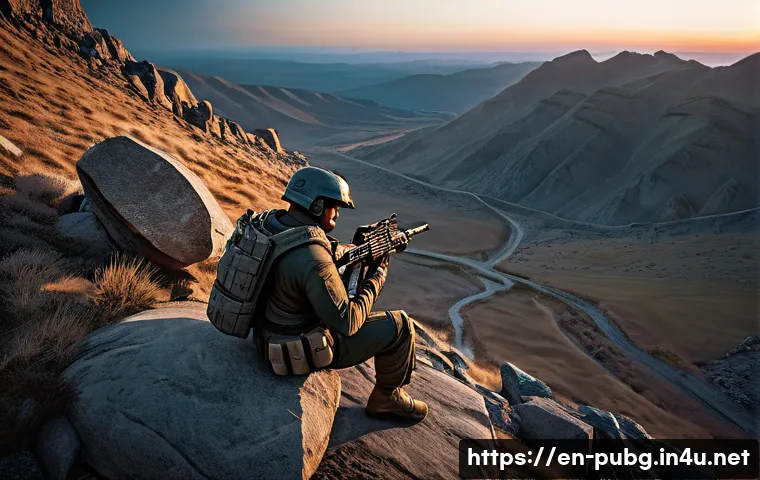
The last few circles are where survival skills truly shine. I tend to position myself on the higher ground or behind solid cover to control sightlines and reduce flanking risks.
Staying patient and letting other players fight it out first can help you pick off weakened opponents. However, I also stay alert to avoid being caught off guard by sneaky players trying to close the gap.
Managing Resources for the Endgame Push
By the final circles, resources are often scarce. I make sure to conserve healing items and ammo, using them only when absolutely necessary. Sometimes it’s smarter to play defensively and avoid unnecessary fights to save your supplies for the last critical moments.
Knowing when to heal and when to hold your position can be the difference between victory and elimination.
Psychological Edge: Confidence Without Overconfidence
Confidence is vital, but overconfidence can be your downfall. I’ve learned to trust my skills while respecting the unpredictability of other players. Staying humble and focused helps me avoid reckless moves that could cost the match.
Visualizing possible outcomes and keeping a cool head in clutch situations has helped me close out many games successfully.
| Aspect | Key Focus | Pro Tips |
|---|---|---|
| Drop Strategy | Flight path, player density, backup spots | Choose slightly contested areas for loot, dive fast, adapt mid-air |
| Mid-Game Movement | Cover usage, enemy prediction, engagement balance | Stick to natural cover, anticipate rotations, pick fights wisely |
| Resource Management | Essential loot prioritization, inventory control, throwables use | Carry heals and ammo, swap gear quickly, save grenades for tactical plays |
| Circle Awareness | Timing rotations, positioning in safe zone, vehicle usage | Enter zone early, hold defensively, use vehicles sparingly late game |
| Combat Tactics | Terrain advantages, peek techniques, stress control | Match weapon to terrain, practice lean peeks, stay calm under fire |
| Endgame Strategy | Final circle positioning, resource conservation, psychological mindset | Hold high ground, conserve heals/ammo, balance confidence with caution |
Wrapping Up
Mastering your landing and movement strategies can dramatically improve your solo ranked gameplay. By staying adaptable and making smart decisions from drop to endgame, you increase your chances of survival and victory. Remember, it’s a balance of aggression, caution, and resource management that sets the top players apart. Keep practicing these tactics to sharpen your skills and enjoy more wins.
Useful Tips to Keep in Mind
1. Always analyze the flight path before deciding where to drop; avoiding overly crowded spots can give you a crucial early-game advantage.
2. Prioritize speed when landing to secure high-tier loot before others, but have backup locations ready in case you need to change course mid-air.
3. Use natural cover wisely during mid-game to stay hidden and anticipate enemy rotations by paying attention to environmental cues like gunfire and zone movement.
4. Manage your inventory carefully by focusing on essential items and swapping gear efficiently to stay prepared without being weighed down.
5. In late-game scenarios, position yourself strategically, conserve resources, and maintain a calm, confident mindset to outlast your opponents.
Key Takeaways for Consistent Success
Landing smart means balancing risk and reward by choosing your drop spots based on player density and flight path. Efficient movement and positioning rely heavily on using terrain for stealth and predicting enemy behavior. Effective resource management keeps you agile and ready for any encounter. Understanding circle dynamics allows you to rotate safely and make informed decisions about when to fight or hold. Finally, cultivating a calm and focused mindset during combat and endgame moments ensures you perform your best when it counts most.
Frequently Asked Questions (FAQ) 📖
Q: How do I choose the best drop spot to maximize my survival chances in solo ranked matches?
A: Picking the right drop spot is crucial because it sets the tone for the entire match. I’ve found that balancing loot quality with the likelihood of early fights is key.
Opt for locations that offer good gear but aren’t overcrowded—this often means avoiding the most popular hotspots unless you’re confident in your early combat skills.
Also, consider the flight path and how it aligns with the safe zone’s potential movements. Dropping near the edge of the circle can give you time to gather resources and reposition without immediate pressure, increasing your chances of lasting longer.
Q: When is it better to engage an enemy versus avoiding the fight in solo ranked games?
A: Deciding whether to fight or evade comes down to assessing your current resources, positioning, and the enemy’s behavior. Personally, I avoid unnecessary fights early on unless I have a clear advantage—like better weapons or high ground.
If you’re low on health or poorly equipped, stealth and repositioning are smarter choices. On the other hand, if you spot an isolated player or can catch an opponent off guard, engaging can give you valuable loot and reduce competition.
Timing and situational awareness make all the difference here.
Q: What are some effective strategies for resource management during a match?
A: Managing your inventory efficiently can often be overlooked, but it’s a game-changer. I always prioritize carrying healing items and enough ammunition for my primary weapons.
Don’t hoard every single item; instead, focus on versatility—like having a mix of short and long-range weapons suited to the terrain. Dropping excess gear to move faster or picking up specific items depending on your playstyle helps maintain flexibility.
Also, keep an eye on your backpack capacity early to avoid scrambling for space later when you really need a quick reload or heal.