Learn when melee weapons are useful in PUBG, how to close distance safely, which weapon types suit different situations, and when switching to a firearm is the smarter survival choice.
Melee weapons in PUBG are worth using only when you can close the gap through cover, timing, or a tight indoor angle. If an opponent has a usable firearm and room to back away, finding a gun or breaking contact is usually the safer survival choice.
The Pan, Machete, Crowbar, and Sickle can all create an early-game opportunity, but none should become a reason to chase across exposed ground. Your decision should come down to distance, escape options, and nearby loot.
Comfortable controls and clear headset audio can support better close-range decisions, but gear does not guarantee a win. Check your current platform, map, mode, and patch notes for weapon-specific behavior.
At a Glance
- Use melee when the opponent is close, distracted, trapped by terrain, or also without a firearm.
- Do not chase in the open just to force a swing; cover and a retreat route matter more than aggression.
- Switch to a firearm or loot one as soon as a safe opportunity appears, especially when both players can create distance.
| Melee option | Reach feel | Visibility and handling | Situational value | Inventory trade-off |
|---|---|---|---|---|
| Pan | Requires close contact | Highly recognizable and easy to notice | Useful as an early-game fallback; check current version behavior for any defensive utility | May not be worth keeping when ammunition, healing items, or throwables are needed |
| Machete | Close-range commitment | Simple choice when it is the weapon available | Best treated as a temporary answer during early looting | Replace it when a firearm or more important supplies need the space |
| Crowbar | Close-range commitment | Can feel visually direct during a tight fight | Works when cover lets you reach the opponent safely | Has limited value once your primary weapon setup is established |
| Sickle | Close-range commitment | Another opportunity-based pickup rather than a long-term plan | Most relevant when no usable firearm is available | Consider dropping it for utility items later in the match |
The Fast Answer: Use Melee Only When Distance and Timing Favor You
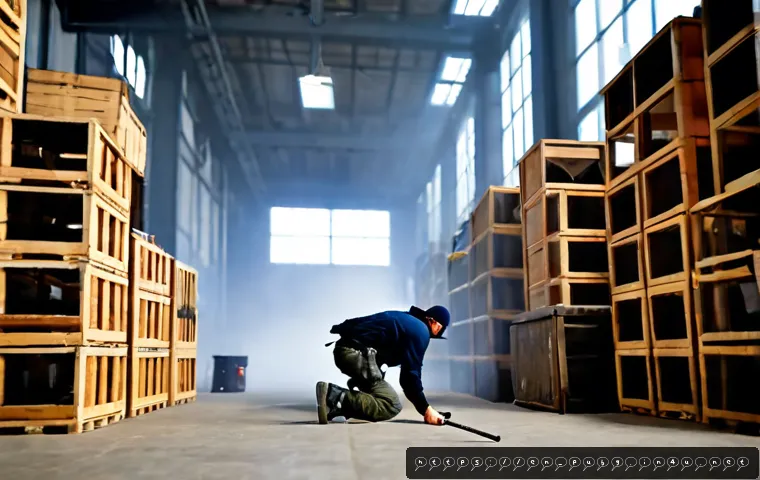
The best melee decision is not about proving that a Pan or Crowbar can win a fight. It is about recognizing a brief moment when distance, cover, and timing remove part of the usual risk. Early after landing, you may have a melee weapon while another player is still looting. In that narrow situation, a quick push can be reasonable.
Once both players have usable firearms and enough room to move, the risk changes immediately. A melee player must cross the gap, while the armed player can create space. If you cannot shorten that distance safely, do not force the fight.
The Three Checks Before Committing to a Swing
First, ask whether you can reach the opponent without crossing open ground. A doorway, stairwell, room corner, or piece of cover can make a melee attempt possible. Second, check whether the opponent is distracted by looting, reloading, turning away, or becoming stuck in a tight route. Third, keep a retreat path in mind before you move forward.
If those three checks are not favorable, the melee weapon is probably just an emergency item. A nearby firearm, ammunition, healing item, or throwable may be the more valuable objective.
When to Break Contact and Find a Gun Instead
Break contact when the opponent has space to backpedal, when you have no cover, or when you hear signs that a firearm may be nearby. Do not keep running after someone simply because you already started the chase. Turning toward another room, changing floors, or looting a safer nearby area can preserve your match.
Survival is the win condition. An early elimination is useful only if the risk is controlled. A firearm is generally the smarter choice when both players can shoot and reposition.
Comparing PUBG’s Melee Options by Reach, Risk, and Inventory Value
It is tempting to choose a favorite melee weapon, but early-game availability matters more than preference. The practical question is not which item looks strongest. It is whether that item gives you a realistic chance to act before the opponent finds a gun.
Pan: Visibility, Utility Considerations, and Trade-Offs
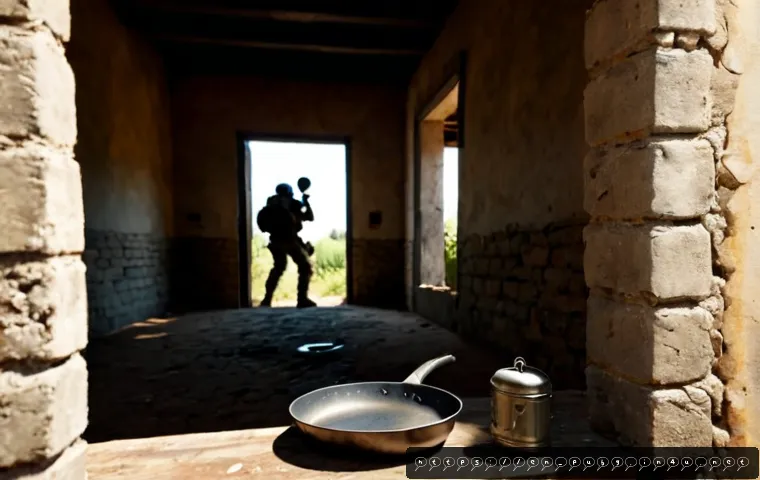
The Pan has a special reputation among PUBG players, which makes it memorable even when it is not your ideal inventory item. Its current defensive behavior, if any, should be verified for your platform and current patch notes rather than assumed from older clips or discussions.
In a match, treat the Pan as a situational tool. If it is your only weapon during a close indoor encounter, use the environment to get close. If your bag is tight and you need ammunition, healing supplies, or throwables, it may be the item you replace.
Machete, Crowbar, and Sickle: Choosing Based on Opportunity, Not Preference
The Machete, Crowbar, and Sickle all become useful under the same basic condition: the opponent is close enough that you can attack without exposing yourself for too long. Their exact damage, range, attack speed, and special behavior can differ by version or mode, so avoid making decisions based on unverified numbers.
Choose based on immediate opportunity. If you are in a hallway with an unaware looter, any available melee option may be better than unarmed movement. If the enemy is outside with a clear retreat line, none of these weapons justify a long chase.
A Simple Early-Game Melee Decision Table
| Situation | Best decision | Why |
|---|---|---|
| You have a melee weapon and the enemy is looting in the same small room | Engage carefully | The distance is already short, and the enemy may be distracted |
| You see an enemy running through open ground | Loot or reposition | Closing the gap exposes you and gives the enemy time to find space |
| You hear nearby activity but do not have a firearm | Use cover and search nearby loot | Sound may indicate danger, but it can also help you avoid a bad push |
| You have a firearm and a melee weapon later in the match | Prioritize the firearm setup and utility | Melee is usually a last-resort option once ranged weapons are available |
How to Win a Close-Range Fight Without Overcommitting
A melee fight is largely a positioning problem. Long-range aim matters less than your ability to make the opponent deal with a very short distance at the wrong moment. The goal is to create a brief, controlled engagement—not a long pursuit.
Use Cover, Doorways, Stairs, and Corners to Shorten the Gap
Doorways and corners reduce the space an opponent can use to retreat. Stairs can also create awkward movement paths and limit sightlines. Approach from behind cover, then commit only when the route is short enough to matter.
Do not stand in a doorway where you cannot move forward or back. Tight angles work when they give you choices, not when they turn you into an easy target.
Move Unpredictably While Preserving a Retreat Route
Small changes in movement can make you harder to track at close range, but unpredictable movement should not become random movement. Always know where you will go if the enemy pulls out a firearm or reaches a safer position.
Good close-range movement has one purpose: get close without becoming trapped. If a route leads to a dead end, it is not automatically a strong melee route.
Time Swings After an Opponent Reloads, Loots, or Gets Trapped
Timing can matter more than weapon choice. An opponent who is focused on loot, caught turning a corner, or forced into a narrow path may give you the opening that melee needs. Wait until the distance is genuinely short instead of swinging early and revealing your plan from too far away.
If the opening disappears, stop forcing it. A missed chance is safer than a prolonged chase into an armed opponent.
Mistakes That Turn a Melee Push Into an Easy Elimination
Running Directly Across Open Ground
This is the most obvious bad trade. Open ground gives the other player time and room to react. Even if they do not have a firearm at first, they may reach one while you are still closing the distance.
Swinging Outside Effective Range
Do not assume a melee weapon will connect simply because the opponent looks nearby. Exact range can vary, and visual distance can be misleading during fast movement. Close the gap with cover first, then attack when you are truly in a close-range position.
Ignoring Sound Cues and Nearby Firearm Spawns
Audio can change your plan. Nearby footsteps, looting sounds, or other activity may indicate that another player is arriving. Just as importantly, a weapon spawn in the next room can be more valuable than pursuing an uncertain melee elimination.
A headset with clear directional audio may help you interpret those cues. It will not replace awareness, but it can make decisions about pushing, escaping, or looting more consistent.
Situational Tactics for Early Drops, Buildings, and Final Circles
Hot-Drop Looting: Prioritize a Firearm Over a Prolonged Chase
During a hot drop, the first objective is usually to secure a usable firearm. A melee weapon can protect you during the few seconds before that happens, but it should not distract you from rooms, floors, or containers that may offer a better survival option.
If an opponent is close and vulnerable, act decisively. If they escape into a larger area, return to looting rather than donating time and position to a risky chase.
Indoor Fights: Use Tight Angles Without Trapping Yourself
Buildings offer the strongest melee conditions because they limit movement and sightlines. Use corners and short routes, but avoid pushing into a room with only one exit unless you are confident the enemy is unarmed or distracted.
Keep track of doors, stair access, and alternate rooms. The best indoor melee play often includes a way to disengage immediately.
Late-Game Reality: Why Melee Is Usually a Last-Resort Tool
Later in a match, players are more likely to have firearms, ammunition, healing items, and room to punish a close approach. That makes melee far less reliable as a planned strategy. Inventory space may also be more valuable for throwables or supplies.
Keep a melee weapon only if it fits your current priorities. Do not sacrifice a stronger loadout or essential utility because you hope for a highlight-reel moment.
Choosing Your Setup and Comparing the Value of Melee Practice
Better close-range choices often come from comfort and consistency rather than expensive hardware. A gaming mouse, controller, headset, or optional coaching resource can be worth comparing if it helps you hear information clearly, move comfortably, and practice without fighting your own setup.
When Better Audio, Comfortable Controls, or Practice Tools Can Help
Clear headset audio can support awareness of footsteps and nearby movement. A comfortable mouse or controller can make quick turns and movement feel more consistent over longer sessions. Coaching resources or structured practice can help you review decisions such as when you chased too far or ignored a safer loot route.
None of these options guarantee improved results. The useful test is whether a change addresses a real problem you have noticed repeatedly.
Gear Selection Criteria: Comfort, Reliability, Compatibility, and Budget
For a gaming headset, compare comfort during long sessions, microphone needs, compatibility with your platform, and whether positional clarity is easy for you to interpret. For a gaming mouse or controller, focus on hand comfort, reliable inputs, button placement, and compatibility with your PUBG platform.
Do not buy a peripheral solely because another player uses it. Sensitivity, controller layout, and keybind preferences are personal. Try settings changes gradually, then judge whether they improve your movement and awareness in actual matches.
Final Decision Checklist: Engage, Escape, Loot, or Switch Weapons
Before committing, ask: Is the enemy already close? Do I have cover? Is there an exit behind me? Could a nearby firearm solve this more safely? Do I need the inventory space for ammunition, healing, or throwables? If the answer points toward safety and loot, take that option.
Selection Criteria and Comparison Summary
1. Distance: Choose melee only when the gap is already short or can be shortened with cover. 2. Enemy status: A distracted, looting, or trapped opponent creates a better opening than an opponent with space. 3. Escape route: Never push without knowing where you can retreat. 4. Inventory value: Compare a melee slot against ammunition, healing items, and throwables. 5. Setup comfort: Choose a headset, mouse, or controller based on comfort, reliability, platform compatibility, and budget. For product specifications, compatibility details, or coaching format, check the relevant product or service page before choosing.
Closing Thoughts
PUBG melee combat is most useful when it solves an immediate early-game problem. Use tight spaces, cover, and timing to reduce the distance instead of relying on a long chase. Once firearms are available, treat melee as a backup rather than your main plan. The smartest choice is often the one that keeps you alive long enough to build a complete loadout.
Useful Information to Keep in Mind
Check the current patch: Melee behavior and availability can vary by platform, map, mode, and update. Listen before pushing: Sound cues can reveal danger, loot activity, or a reason to disengage. Practice decisions, not only swings: Knowing when not to engage is a valuable close-range skill.
Important Notes
Exact melee damage, attack speed, reach, spawn rates, and defensive behavior are not fixed assumptions for every PUBG version. Verify weapon-specific mechanics through the applicable game version and patch notes. Sensitivity, controller layout, keybinds, and peripheral choices should also be tested for personal comfort rather than copied as universal settings.
Frequently Asked Questions
Q1. Which melee weapon is best in PUBG?
A1. The best choice is usually the melee weapon you already have when a close early-game opportunity appears. The Pan, Machete, Crowbar, and Sickle are most useful when the enemy is nearby, cover helps you close the gap, and a firearm is unavailable. Check current patch information for exact weapon differences.
Q2. Is the Pan still useful for defense, or is it mainly an early-game weapon?
A2. The Pan has a well-known reputation, but its current defensive behavior should be checked for your platform and patch version. In practical terms, it is mainly a situational early-game option and an inventory decision once firearms and utility items become available.
Q3. Should I buy a gaming mouse, controller, or headset to improve close-range PUBG fights?
A3. Consider an upgrade only if it addresses a clear issue, such as uncomfortable controls, inconsistent inputs, or difficulty hearing nearby movement. Compare comfort, reliability, compatibility, and budget. Better gear can support consistent play, but it does not guarantee better close-range results.