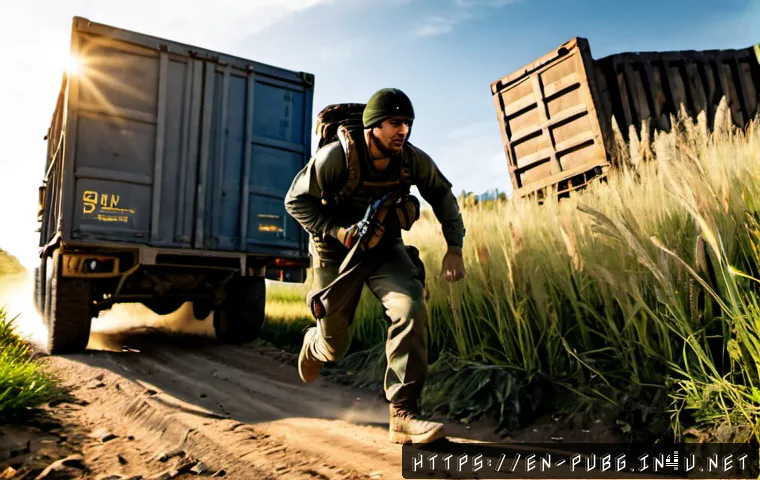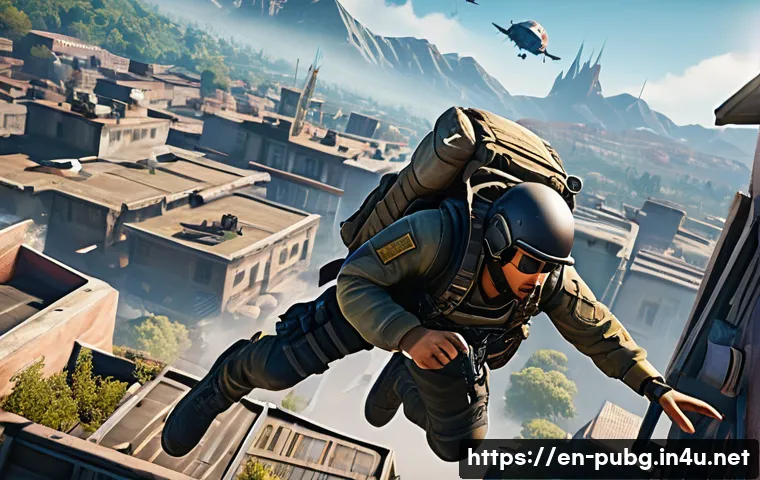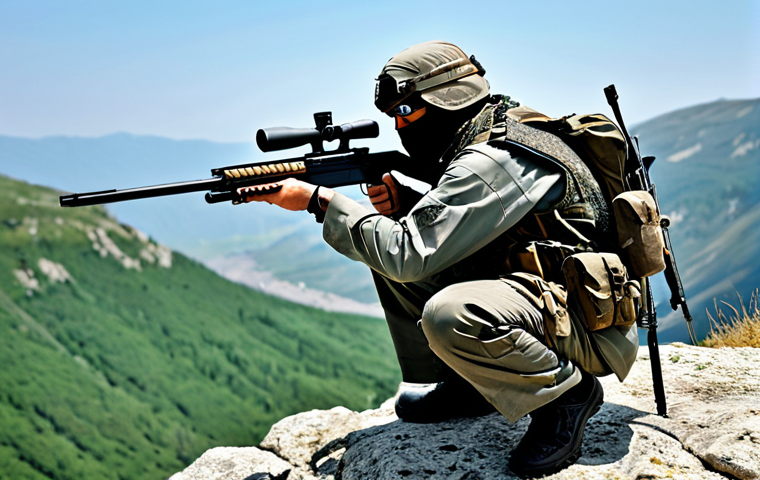
The thrill of landing a headshot from across the map in PUBG is unmatched, right? There’s just something so satisfying about taking down an enemy with a well-placed sniper bullet.
But let’s be honest, mastering the sniper rifles in this game takes practice, patience, and a good understanding of the weapons themselves. From bullet drop to zeroing, there’s a lot to consider if you want to consistently hit your targets.
With the ever-evolving meta and weapon tweaks, staying ahead of the curve is essential for dominating the long-range game. Plus, recent updates have changed the way some attachments affect recoil and stability, making it crucial to re-evaluate your loadouts.
Let’s dive into the specifics and get you dialed in for those crucial long-range engagements. Let’s explore the ins and outs of PUBG’s sniper rifles!
Alright, let’s dial in those sniper skills. Here’s your guide to becoming a long-range menace in PUBG, written as a fellow player who’s been there, done that, and clutched a few wins with a well-placed Kar98k shot.
Mastering the Art of Bullet Drop: A Practical Guide
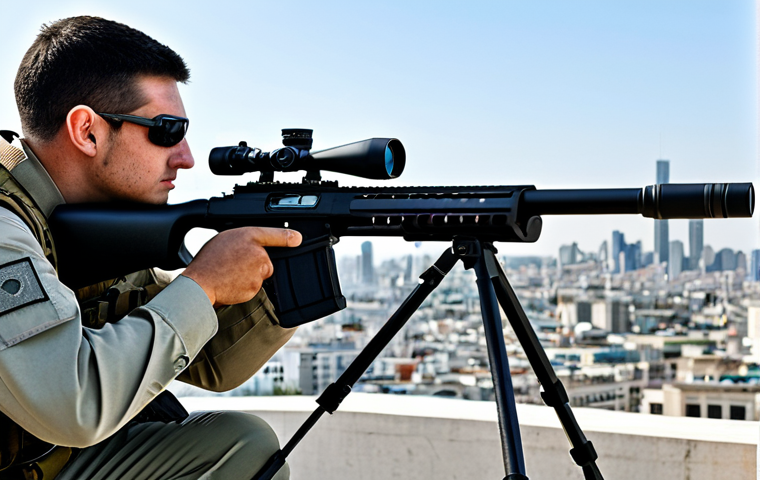
Bullet drop, the bane of many aspiring snipers, is truly your friend if you learn to anticipate it. It isn’t just about knowing the general drop; it’s about developing a feel for it.
I remember one time, I was perched on a hill overlooking the Mylta Power plant, and I spotted a player sprinting across the open field. I knew the distance was roughly 300 meters, but instead of overthinking it, I just aimed a bit above his head, trusting my instinct.
*Boom*, headshot. The key? Practice.
Head into training mode and experiment with different distances. Don’t just look at the numbers; feel the drop.
Understanding Weapon-Specific Bullet Trajectories
Each sniper rifle in PUBG has its unique bullet velocity, which directly impacts how much the bullet drops over distance. The Kar98k, for instance, has a slower bullet velocity compared to the M24 or AWM.
This means you’ll need to compensate more for bullet drop with the Kar98k, especially at longer ranges. I’ve spent countless hours in training mode, getting a feel for each rifle’s trajectory.
Utilizing the Ranging Feature for Precision Shots
The ranging feature, accessible by pressing the “Page Up” and “Page Down” keys, is a lifesaver for those long-distance engagements. This allows you to adjust your scope’s zeroing distance, minimizing the need to compensate for bullet drop manually.
Let’s say your target is 400 meters away. Zero your scope to 400 meters, and your bullet will hit closer to the center of your crosshair. This feature shines when engaging moving targets at variable distances, allowing minor adjustments to ensure a successful hit.
Don’t just eyeball it; use the in-game rangefinder or map markers to estimate distance accurately.
Attachment Optimization: Building the Ultimate Sniper Rifle
Attachments can make or break your sniping experience. I remember struggling to control the Kar98k’s recoil until I finally equipped a cheek pad. The difference was night and day.
Choosing the right attachments not only improves recoil control but also enhances stability, aiming speed, and overall weapon performance.
The Importance of the Cheek Pad and Muzzle Attachments
The cheek pad is essential for minimizing vertical recoil and improving stability, especially for bolt-action rifles like the Kar98k and M24. A suppressor is beneficial for stealth, masking your location and making it harder for enemies to pinpoint your position after taking a shot.
When I’m going for a stealthy approach, I prioritize the suppressor every time.
Magnification Matters: Choosing the Right Scope
The choice of scope often comes down to personal preference, but I’ve found that a 6x scope offers the best balance between magnification and field of view for most situations.
It allows you to engage targets at both medium and long ranges effectively. The 8x scope is great for extreme long-range engagements, but its narrow field of view can be limiting in close to mid-range combat.
I usually stick with the 6x, unless I know I’ll be in a very open area.
Leading Shots: Predicting Enemy Movement
Leading your shots, or aiming ahead of a moving target, is another crucial skill for any PUBG sniper. This requires anticipating your target’s movement and adjusting your aim to compensate for the time it takes for the bullet to reach them.
I remember one time, I was trying to hit a guy weaving through the trees, and I was missing every shot. Then I realized he was consistently running in one direction, so I aimed further ahead, and *bam*, knocked him out.
Understanding Target Speed and Distance
The faster your target is moving and the further away they are, the more you’ll need to lead your shots. This involves calculating the bullet’s travel time and the target’s speed and direction.
If a target is running perpendicular to your position at 200 meters, you might only need to lead them by a small amount. But at 400 meters, the lead will need to be significantly greater.
Practicing Predictive Aiming Techniques
One effective way to improve your predictive aiming is to focus on the target’s path of movement rather than their current position. Instead of trying to track them perfectly with your crosshair, anticipate where they’ll be in a second or two and aim there.
This takes practice, but it becomes more natural over time. Head back to training mode and focus solely on leading your shots on moving targets.
Map Awareness: Positioning for Optimal Sniper Advantage
Sniping isn’t just about having a good aim; it’s also about being in the right place at the right time. Map awareness and strategic positioning are critical for maximizing your effectiveness as a sniper.
I’ve lost count of the number of times I’ve been able to pick off entire squads simply because I had a good vantage point and they didn’t see me coming.
Identifying Key Vantage Points and Chokepoints
High ground is generally your friend. Hills, rooftops, and towers offer excellent visibility and cover, allowing you to spot and engage enemies from a safe distance.
Chokepoints, such as bridges, narrow passes, and doorways, are also prime locations to set up ambushes. When I’m rotating through the map, I always look for these kinds of opportunities.
Rotating Effectively to Maintain a Strategic Advantage
Staying in one spot for too long can make you an easy target. It’s important to rotate effectively, moving to new positions that offer better visibility, cover, or opportunities to flank the enemy.
This requires constantly assessing the situation, anticipating enemy movements, and adapting your strategy accordingly.
Weapon Statistics for Key Sniper Rifles
Here’s a quick reference table that encapsulates the key statistics for the primary sniper rifles:
| Rifle | Damage | Bullet Speed | Effective Range | Attachments |
|---|---|---|---|---|
| Kar98k | 79 | 760 m/s | Up to 500m | Muzzle, Scope, Stock |
| M24 | 88 | 790 m/s | Up to 600m | Muzzle, Scope, Stock |
| AWM | 105 | 910 m/s | 700m+ | Muzzle, Scope, Stock |
| SKS | 55 | 800 m/s | Up to 400m | Muzzle, Grip, Scope, Stock, Magazine |
Adapting to Different Game Modes and Scenarios
The way you use sniper rifles in PUBG can vary greatly depending on the game mode and the specific scenario you find yourself in. In classic mode, for example, you might have more time to scout locations and set up ambushes.
Whereas in arcade mode or shorter matches, you might need to be more aggressive and adapt to faster-paced engagements.
Sniping in Classic Mode vs. Arcade Mode
In classic mode, patience and strategic positioning are key. Take your time to find a good vantage point, scout for enemies, and set up ambushes. In arcade mode, you’ll need to be more adaptable and aggressive.
Be prepared to engage in closer-range firefights and use your sniper rifle as a versatile weapon.
Adjusting Your Strategy for Different Map Conditions
Different maps offer different opportunities and challenges for snipers. In Erangel, with its open fields and rolling hills, long-range engagements are common.
In Miramar, with its vast desert landscape, you’ll need to be mindful of visibility and use terrain to your advantage. In Sanhok, with its dense jungle and close-quarters combat, sniper rifles are less effective, and you might want to consider using a DMR instead.
Common Mistakes to Avoid
Even experienced snipers make mistakes from time to time. I know I’ve made my fair share of blunders. But by being aware of these common pitfalls, you can avoid them and improve your overall performance.
Overestimating Your Abilities and Taking Risky Shots
It’s tempting to try and pull off those highlight-reel shots, but sometimes it’s better to play it safe. Don’t take risky shots if you’re not confident you can hit them, especially if it could expose your position or put you in danger.
I remember once, I tried to snipe a guy out of a moving vehicle, missed, and ended up getting flanked by his teammates.
Ignoring Your Surroundings and Getting Flanked
Sniping requires focus, but it’s important not to tunnel vision and ignore your surroundings. Always be aware of potential flanking routes and keep an eye out for enemies trying to sneak up on you.
Use your teammates as scouts and communicate effectively to stay informed. By mastering these strategies and avoiding common mistakes, you’ll be well on your way to becoming a formidable sniper in PUBG.
Happy hunting!
In Conclusion
So there you have it – a comprehensive guide to becoming a sniping god in PUBG. Remember, practice makes perfect, and every game is a learning opportunity. Don’t be afraid to experiment with different rifles, attachments, and tactics until you find what works best for you. Now get out there and dominate the battlefield, one headshot at a time!
Useful Tips and Tricks
1. Always carry smoke grenades to create cover when repositioning or reviving teammates in open areas.
2. Use the “hold breath” function (usually bound to Shift) to steady your aim and reduce sway when taking long-range shots.
3. Practice quick-scoping in training mode to improve your reaction time and accuracy in close-quarters engagements.
4. Listen carefully for audio cues, such as footsteps and vehicle sounds, to anticipate enemy movements and gain a tactical advantage.
5. Adjust your graphics settings to optimize visibility and reduce lag, ensuring a smooth and responsive gameplay experience.
Key Takeaways
Master bullet drop by practicing in training mode. Optimize your sniper rifle with attachments like a cheek pad and suppressor. Lead your shots by anticipating enemy movements. Use map awareness and strategic positioning to gain a sniper advantage. Adapt your strategy for different game modes and scenarios, and avoid common mistakes like taking risky shots and ignoring your surroundings.
Frequently Asked Questions (FAQ) 📖
Q: Okay, so I’m relatively new to PUBG. What’s the one thing I absolutely need to understand to even start using sniper rifles effectively?
A: Forget everything else for a minute – bullet drop. Seriously. It’s not like other shooters where you point and click.
Your bullet is going to fall due to gravity, especially at longer distances. Think of it like throwing a baseball; you need to aim higher to reach your target.
Start practicing in training mode, aiming at stationary targets at different ranges. Get a feel for how much you need to compensate. Honestly, once you “see” the bullet drop, your sniping game will improve drastically.
I remember when I first started, I was so frustrated until a buddy showed me how to account for the drop. Game changer!
Q: Which sniper rifle is the “best” in PUBG? I keep hearing arguments about the Kar98k versus the M24 versus the
A: WM. A2: “Best” is really subjective and depends on your play style, but here’s the lowdown based on my experience and what most seasoned players agree on.
The AWM is king, no doubt. It’s a crate weapon, meaning it’s rare and powerful, and it can one-shot kill an enemy wearing a level 2 helmet. However, it’s also loud and only comes with limited ammo.
The M24 used to be a crate weapon, but now it spawns in the normal world, making it more accessible. It’s a solid all-around sniper with good damage and bullet velocity.
The Kar98k is the classic. It’s readily available, but its damage is lower than the other two, meaning you won’t one-shot kill a fully geared player with a helmet unless it’s a headshot.
For me? I prefer the M24 for its balance. It’s forgiving and packs enough punch.
But if I find an AWM, well… it’s game on!
Q: Attachments! Ugh, so many choices. What attachments are absolutely essential for making a sniper rifle more manageable?
A: nd how do recent updates affect those choices? A3: Okay, attachments are clutch. First, a cheek pad is a must-have for reducing recoil and improving stability.
It just makes those follow-up shots easier. Next, a suppressor is huge for staying hidden, especially if you’re trying to play sneaky. As for recent updates, they’ve tweaked how some stocks affect recoil patterns, so experiment!
Some stocks that used to be great on certain rifles might not be the best choice anymore. Finally, a scope, obviously. 8x is great for long distances, but a 4x or 6x can be more versatile for closer engagements.
I personally run a 6x most of the time because it gives me the option to zoom in for those long shots while also being usable in mid-range fights. Don’t be afraid to try different combinations in training mode to find what works best for you.
The meta changes all the time!
📚 References
Wikipedia Encyclopedia
구글 검색 결과
구글 검색 결과
구글 검색 결과
구글 검색 결과