Hey, fellow Battlegrounds warriors! If you’ve ever found yourself in the heat of a firefight, only to watch your perfectly aimed crosshair dance wildly across the screen, then you know the sheer frustration of uncontrollable gun recoil.
Trust me, I’ve been there – missing those crucial shots can turn a sure win into an early trip back to the lobby. For years, I’ve delved deep into the mechanics, scoured pro player setups, and spent countless hours in the training grounds, all to conquer that notorious kick.
It’s more than just spraying and praying; it’s an art, a science, and frankly, a game-changer. Especially with recent updates tweaking attachment effectiveness and shifting the weapon meta, mastering recoil isn’t just an advantage, it’s absolutely essential to staying competitive and bagging those coveted Chicken Dinners.
I’ve seen so many players struggle, but the truth is, with the right knowledge and a bit of focused effort, anyone can transform their shooting accuracy.
Ready to stop fighting your gun and start laser-beaming your opponents? Let’s dive into the ultimate guide to mastering recoil control in Battlegrounds right now!
The Core Mechanics: Understanding What Makes Your Gun Kick
Alright, let’s be real. When you first drop into Battlegrounds, every gun feels like a wild horse trying to throw you off. But once you start peeling back the layers, you realize there’s a method to the madness. Recoil isn’t just some random deviation; it’s a calculated dance that the game engine performs with your weapon. When I first started, I thought it was just about pulling down. Oh, how naive I was! It’s far more nuanced than that. Every shot you fire generates both vertical and horizontal kick. Vertical recoil is often the easier one to manage because it’s predictable – it almost always goes up. Your mouse or thumbstick naturally wants to counter this by pulling down. The real beast is the horizontal recoil. This is what makes your crosshair jolt unpredictably left or right, often throwing off what would have been a perfect spray. Mastering both types is crucial, and it starts with truly understanding their distinct characteristics. I’ve spent countless hours in the training grounds just watching my bullet tracers, trying to predict that subtle horizontal shift, and trust me, it’s a game-changer when you start to get a feel for it. It’s not about brute force; it’s about delicate control and anticipation. This knowledge forms the bedrock of becoming a true sharpshooter.
The Science Behind the Spray: Vertical vs. Horizontal Recoil
So, what’s the big deal with vertical versus horizontal? Think of vertical recoil as the main kick, the upward climb your gun makes with each shot. This is what most players instinctively try to fight by dragging their mouse down. And honestly, for many weapons, especially early on, just getting a handle on this is a huge step. But here’s where things get tricky: horizontal recoil. This is the truly unpredictable element, the side-to-side wobble that can turn a tight grouping into a scattered mess. It’s what makes two identical sprays look completely different. Different weapons have different tendencies – some might lean more right, others more left, but it’s never a static pattern. I’ve noticed that ignoring horizontal recoil control is often the biggest hurdle for players trying to improve their mid-to-long range sprays. You can pull down perfectly, but if your gun is constantly jiggling sideways, your bullets are going to miss their mark. It requires a more subtle, almost intuitive correction, learning to feather your mouse ever so slightly against the horizontal drift. It’s less about a constant counter and more about small, reactive adjustments based on the specific weapon’s unique personality. This insight alone dramatically improved my long-range engagements.
Weapon Archetypes and Their Unique Recoil Patterns
Not all guns are created equal, and their recoil patterns are a prime example. An AKM, for instance, feels like a beast with a mind of its own – heavy vertical and pronounced horizontal kick. Then you pick up an M416, and it feels like a precision instrument in comparison, much easier to manage, especially after the first few shots. This isn’t just a feeling; it’s coded into the game. Assault rifles, SMGs, LMGs, and even DMRs each have a unique recoil profile. SMGs often have lower vertical but quicker horizontal shifts. LMGs are known for their initial heavy kick that settles into a manageable sustained fire. Even within the same category, there are significant differences. The Beryl M762, for example, is notorious for its fierce early recoil, making it a challenge to master but incredibly rewarding once you do. When I first started playing, I just picked up whatever looked cool. Now, I try to understand the weapon’s inherent characteristics before I even fire a shot. Knowing these archetypes helps you pick the right weapon for the right situation and, more importantly, allows you to anticipate its behavior before it even kicks. It’s about building a mental database of how each gun will respond under fire, which comes only from experience and focused practice.
Your Digital Hands: Mouse Sensitivity and DPI Sweet Spots
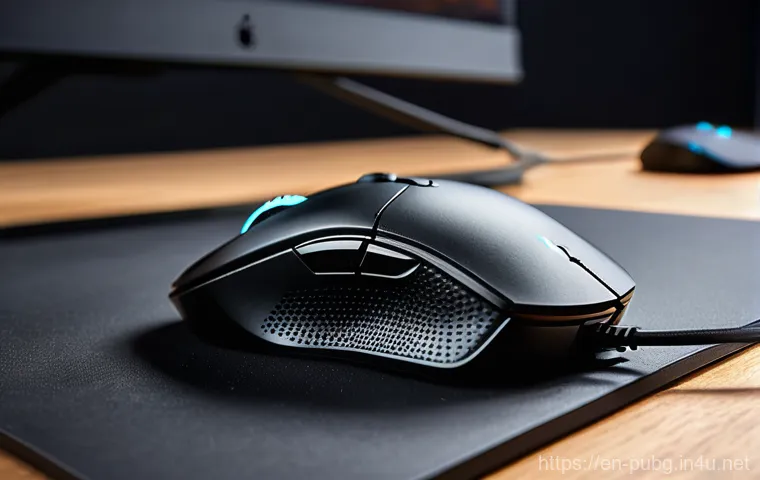
Controlling recoil in Battlegrounds is as much about your physical setup as it is about in-game mechanics. For PC players, your mouse sensitivity and DPI are absolutely paramount. This isn’t just some arbitrary number; it’s the bridge between your intentions and the game’s execution. I’ve seen players use astronomically high DPI settings, thinking it makes them faster, only to have their crosshair fly off target with the slightest movement. Conversely, a sensitivity that’s too low can make quick turns and tracking enemies a nightmare. Finding your perfect sensitivity is a deeply personal journey. There’s no magic number that works for everyone, no pro player setting that will instantly turn you into a god. It’s about what feels natural, what allows you to make precise, minute adjustments without overshooting, and what enables you to turn 180 degrees comfortably when an enemy suddenly appears behind you. I spent weeks tweaking my settings, going into the training ground, and just spraying walls, adjusting by tiny increments until it felt like my mouse was an extension of my arm. This dedication might seem excessive, but trust me, it pays dividends in every single firefight. Your sensitivity is your foundation, and a wobbly foundation will never hold up under pressure.
Finding Your Personal Sensitivity: It’s Not One-Size-Fits-All
When it comes to sensitivity, the internet is full of conflicting advice. Some pros swear by ultra-low settings, requiring huge mouse pads and arm movements, while others prefer a slightly higher sensitivity for wrist aiming. My advice? Ignore them all, to a certain extent. What works for Shroud or DrDisrespect might not work for you. Your physical desk setup, mouse grip, arm length, and even your playstyle all factor into it. I started with a common recommendation, then went into the training range. I’d pick an M416 and just try to control its spray on a wall at 50 meters. If my crosshair was jumpy and erratic, I’d lower my DPI or in-game sensitivity. If I felt like I was fighting the mouse to make a quick turn, I’d increase it. It’s a delicate balance. I’d recommend using an effective DPI (eDPI), which is your mouse DPI multiplied by your in-game sensitivity. Aim for an eDPI somewhere between 400-800 for most players, but don’t be afraid to experiment outside that range. The goal is consistency and control, not mirroring someone else’s setup. This process is iterative, and you’ll likely fine-tune it over time as your muscle memory develops.
The Art of the Mouse Grip: How It Affects Your Control
Believe it or not, how you hold your mouse can dramatically impact your recoil control. There are generally three main grip styles: palm, claw, and fingertip. Each has its pros and cons for aiming and stability. A palm grip, where your entire palm rests on the mouse, often provides the most stability for large arm movements, which is great for consistent horizontal tracking. However, it can limit fine wrist adjustments. A claw grip, with arched fingers and only the base of your palm touching, offers a good balance of stability and wrist maneuverability, allowing for quicker, more precise micro-adjustments – excellent for vertical recoil control. Fingertip grip, where only your fingertips touch the mouse, offers the most agility and speed for flick shots but can be the least stable for sustained sprays. Personally, I found a hybrid claw-palm grip worked best for me, giving me enough stability for long sprays but still allowing for quick reactive adjustments. Don’t be afraid to experiment with your grip. Try different hand positions, observe how they affect your control, and find what feels most comfortable and effective for you. It’s a small detail, but it makes a world of difference when you’re trying to laser beam an enemy from 100 meters.
Attachment Arsenal: The Ultimate Recoil Taming Tools
Okay, let’s talk attachments! If your gun is the wild horse, then attachments are the saddle, bridle, and reins that help you tame it. Choosing the right attachments is absolutely vital, and it’s not just about slapping on whatever you find first. Recent updates have really refined how these pieces interact with your weapon’s recoil, making intelligent choices more important than ever. I remember back in the day, everyone just ran a vertical grip on everything. Now, with more detailed statistics and player testing, we know certain grips excel in specific situations or on particular weapons. Muzzles like compensators are a no-brainer for reducing both vertical and horizontal recoil, but suppressors, while quiet, don’t offer the same control benefits. Stocks, like the tactical stock for the M416, provide significant stability improvements. The synergy between your weapon, your playstyle, and your chosen attachments is what separates a good player from a great one. It’s about building a loadout that complements your strengths and mitigates your weapon’s weaknesses, transforming a shaky spray into a manageable laser. It’s truly an art form to pick the perfect combo, and it takes practice and a bit of research to understand what each attachment truly brings to the table.
Muzzles, Grips, and Stocks: The Right Combo for Every Gun
When it comes to controlling that kick, muzzles, grips, and stocks are your best friends. The Compensator is almost always the king for recoil reduction, slashing both vertical and horizontal kick. If you’re struggling with spray control, this should be your go-to muzzle. Flash Hiders offer less recoil control but hide your muzzle flash, which is a tactical advantage. Suppressors, of course, silence your shots but offer minimal recoil benefits, so they’re a trade-off. For grips, the Vertical Foregrip primarily tackles vertical recoil, making it great for weapons with a strong upward climb. The Angled Foregrip helps more with horizontal recoil and aiming stability. The Half Grip and Light Grip offer a balance, with the Half Grip specifically improving recoil recovery and the Light Grip focusing on accuracy and recoil stability. I’ve personally found that an Angled Grip on an M416 gives me the perfect blend for mid-range sprays, while a Vertical Grip on a Beryl helps tame its initial vertical surge. Stocks, like the M416’s Tactical Stock, are essential for reducing overall weapon sway and improving stability. Don’t underestimate the power of these components; they are the bedrock of stable shooting.
Lasers and Scopes: Do They Help or Hinder?
Now, what about lasers and scopes? Lasers, while looking cool, only truly affect hip-fire accuracy. For recoil control while aiming down sights (ADS), they do absolutely nothing. So, if you’re primarily ADS firing, a laser sight is more for aesthetics or extremely close-quarters hip-fire situations. Scopes, on the other hand, are a different story. They don’t inherently reduce recoil, but a good scope can make recoil *feel* more intense because of the magnification. A 6x scope on an M416, for instance, will make the gun’s kick look much more pronounced than a Red Dot. This is why many players “tap” or “burst” at longer ranges with high magnification scopes, or adjust a 6x down to a 3x. Using the right scope for the right distance is key. A Red Dot or Holographic is perfect for close to medium range, offering a clean sight picture with minimal visual obstruction from recoil. For medium to long-range, I often find a 3x or 4x is the sweet spot on ARs, allowing for accurate sprays without making the recoil too overwhelming. Don’t be afraid to adjust your scope magnification dynamically; it’s a feature for a reason!
| Attachment Type | Primary Benefit for Recoil Control | Ideal Use Case |
|---|---|---|
| Compensator (Muzzle) | Significantly reduces both vertical and horizontal recoil | Aggressive play, maximizing spray control on ARs/DMRs |
| Vertical Foregrip (Grip) | Reduces vertical recoil | Weapons with strong upward kick (e.g., AKM, Beryl) |
| Angled Foregrip (Grip) | Reduces horizontal recoil and improves ADS speed | Weapons with unpredictable side-to-side movement (e.g., M416) |
| Tactical Stock (Stock) | Improves stability, reduces recoil and weapon sway | M416, Vector, most SMGs; essential for overall weapon stability |
| Light Grip (Grip) | Improves accuracy and recoil stability during sustained fire | DMRs, single-fire weapons, or players who prefer controlled bursts |
Practice Makes Perfect: Drills to Sharpen Your Aim
You can read all the guides in the world, watch every pro player tutorial, but nothing, absolutely nothing, beats dedicated practice. This is where the rubber meets the road. I’ve seen countless players hop into a match without ever stepping foot in the training grounds, then wonder why their aim is inconsistent. It’s like trying to run a marathon without training! The training mode in Battlegrounds is a fantastic resource, and it’s there for a reason. It allows you to isolate specific skills, like recoil control, and grind them until they become second nature. It’s not about mindlessly shooting; it’s about focused, intentional practice. When I first started taking recoil control seriously, I made it a ritual to spend at least 15-20 minutes in the training grounds before jumping into a live match. This not only warmed up my aim but also reinforced the muscle memory I was trying to build. You wouldn’t expect to ace a test without studying, right? The same goes for Battlegrounds. Consistent, targeted practice is the only way to truly internalize these techniques and make them instinctive when the pressure is on.
The Training Ground Grind: Targeted Exercises for Muscle Memory
So, what does “targeted practice” actually look like? It’s more than just spraying a wall. Here’s what I do: I pick my favorite AR (usually the M416 or SCAR-L) with my preferred attachments. Then, I’ll stand at 20m, 50m, and 100m from a wall. At each distance, I’ll try to spray a full magazine into the smallest possible area, focusing purely on pulling down and counteracting the horizontal kick. I’ll do this repeatedly, observing my bullet grouping, identifying where I’m consistently failing, and making micro-adjustments to my mouse movement. Another great drill is to practice spraying moving targets. The training range has those pop-up targets that move. Try to track them while maintaining a controlled spray. This adds the element of target acquisition, which is crucial in real engagements. Don’t forget to practice bursting as well, especially with high-recoil weapons or at longer ranges. A 5-7 bullet burst can be far more accurate than a full-on spray. These drills might feel repetitive at first, but the consistency they build in your muscle memory is invaluable. You’ll start noticing your aim becoming smoother, more controlled, and less prone to panic when an enemy pops up.
Real Combat Scenarios: Applying Your Skills in Live Matches
While the training grounds are essential for building muscle memory, the true test comes in live matches. The pressure, the unpredictable enemy movements, the adrenaline – it all changes the dynamic. This is where you learn to apply your controlled sprays in chaotic situations. Don’t be discouraged if your perfect training ground aim doesn’t immediately translate to Chicken Dinners. It takes time. Start by focusing on manageable engagements. If you’ve been practicing your 50m M416 spray, try to engage enemies at that range first. Observe what goes wrong. Did you overcompensate? Did you panic? Every missed shot is a learning opportunity. Pay attention to your recoil patterns under duress. Sometimes, the adrenaline makes us tense up and over-correct. Over time, you’ll start to develop “combat muscle memory,” where your hand instinctively knows how much to pull down or adjust based on the weapon and distance, even when your heart is pounding. I make it a point to review my gameplay footage sometimes, specifically looking at firefights where my recoil control either failed or succeeded. This self-analysis is incredibly powerful for identifying habits and refining techniques under actual game conditions. It’s a continuous learning process, but a rewarding one.
Advanced Tactics: Beyond Basic Spray Control
Once you’ve got the basics of pulling down and managing the immediate recoil, it’s time to level up. There are subtle, yet powerful, advanced tactics that can further enhance your control and give you a significant edge in firefights. This isn’t just about raw aim; it’s about leveraging the environment and your character’s mechanics to your advantage. I always tell my friends that true mastery isn’t just about making your gun shoot straight, but about making it shoot straight *when it matters most*. This includes understanding how your stance affects stability, when to choose a burst over a full auto, and even how to pre-aim and pre-fire effectively. These are the nuances that differentiate a good player from an exceptional one. I’ve personally found that incorporating these smaller details into my gameplay has made a noticeable difference in my consistency, especially in those high-stakes, end-game scenarios where every bullet counts. It’s about building a holistic approach to shooting, where your understanding of the game’s physics, your movement, and your weapon choices all converge to create a deadly combination.
Crouching, Prone, and Peeking: Using Stance to Your Advantage
Your character’s stance isn’t just for cover; it directly impacts your weapon’s stability and recoil. Crouching, for instance, significantly reduces both vertical and horizontal recoil compared to standing. It’s not a massive reduction, but it’s enough to make a noticeable difference in a sustained spray, especially with higher recoil weapons. Going prone offers even greater stability, often turning an otherwise uncontrollable spray into a tight laser beam. This is why you often see players drop to prone for long-range sprays or when trying to finish off a downed enemy. However, remember the trade-offs: crouching and going prone make you a slower, easier target. Peeking (leaning left or right) also offers a slight recoil reduction bonus, in addition to reducing your visible hitbox. I try to incorporate these stances strategically. If I’m holding an angle and expecting a push, I’ll crouch to pre-aim with better stability. If I’m in an open field and need to quickly engage a distant target, dropping to prone can give me the edge to secure the kill. It’s about knowing when to trade mobility for stability, and vice-versa. Experiment with these stances; you’ll be surprised how much of a difference they can make in your accuracy.
Burst Firing vs. Full Auto: When to Hold Back, When to Let Loose
This is a classic dilemma in Battlegrounds: do you go full auto and pray, or do you conserve ammo and burst fire? The answer, as always, is nuanced and depends on the situation. For close-quarters combat (CQC) within 20-30 meters, full auto is almost always the answer. The goal is to get as many bullets on target as quickly as possible, leveraging your high damage per second. This is where your practiced recoil control for sustained sprays truly shines. However, beyond 30-40 meters, especially with higher recoil weapons like the Beryl or AKM, full auto becomes increasingly difficult to control, and your bullet spread will widen dramatically. This is when burst firing becomes your best friend. A controlled 3-5 round burst allows you to reset your recoil slightly between bursts, leading to far greater accuracy at mid-range. For even longer ranges, single-tapping (especially with a DMR or AR set to single fire) is the most effective method. I’ve seen so many players lose engagements because they tried to full-auto an M416 at 80 meters. Learn to consciously switch between firing modes and adapt your technique to the engagement distance. It’s a skill that takes conscious effort to develop, but once you master it, your versatility in firefights will skyrocket.
Weapon Mastery: Knowing Your Go-To Guns Inside Out
True weapon mastery in Battlegrounds goes beyond just controlling recoil; it’s about understanding the entire ecosystem of your chosen firearms. It’s knowing their effective ranges, their damage profiles, their reload speeds, and how they perform with different attachment setups. When I first started, I jumped between guns constantly, never truly getting a feel for any of them. But over time, I realized the power of specializing. By dedicating myself to mastering a few key weapons – an assault rifle, an SMG, and perhaps a DMR – I became significantly more consistent. This isn’t to say you should never pick up new weapons, but having a core set that you can rely on, guns that feel like an extension of your arm, will dramatically boost your confidence and performance. It’s like a chef knowing their favorite knives – they understand the balance, the sharpness, and how to wield them perfectly. For us, it’s about knowing the subtle nuances that make an M416 feel different from a SCAR-L, even with similar attachments. This deep familiarity allows you to make split-second decisions and execute precise shots without even thinking about it, which is crucial in the fast-paced world of Battlegrounds.
The AKM vs. M416 Debate: Different Beasts, Different Tames
The AKM and M416 are perhaps the two most iconic assault rifles in Battlegrounds, and the debate over which is “better” rages on. But the truth is, they’re fundamentally different beasts requiring different approaches to recoil control. The AKM, with its higher base damage, has a notoriously heavy and somewhat unpredictable recoil pattern, especially the horizontal kick. It’s a powerhouse, but it demands respect and a firm hand. Taming the AKM often involves shorter bursts at range or a more aggressive, close-quarters playstyle where its raw damage can shine. I often advise players to pair it with a Compensator and a Vertical Grip to get any semblance of control. The M416, on the other hand, is known for its versatility and significantly more manageable recoil, particularly after the first few shots. With a full suite of attachments (Compensator, Vertical/Angled Grip, Tactical Stock), it becomes an absolute laser beam, capable of precise sprays at medium ranges. My personal experience has been that while the AKM can feel incredibly satisfying to get a kill with due to its punch, the M416 offers far more consistency and ease of use in diverse engagements. It’s less about which is objectively better and more about which weapon’s recoil profile you are better equipped to handle and which fits your playstyle.
Shotguns and Snipers: Recoil Control in Close and Long Ranges
While ARs and SMGs dominate the mid-range spray game, we can’t forget about shotguns and snipers, which have their own unique take on recoil. Shotguns, like the S12K or DBS, have immense stopping power at close range but come with a heavy, slow-to-recover recoil. Recoil control here isn’t about sustained spray, but about quick recovery for follow-up shots. After firing, your crosshair will kick significantly, so it’s about quickly dragging it back to center for that crucial second shot. I find that practicing quick double-taps in the training ground helps immensely here. Snipers, on the other hand, demand precision. Recoil on a sniper rifle is less about maintaining a spray and more about managing the scope sway and the time it takes for your crosshair to settle after a shot. After firing a bolt-action rifle like the Kar98k or M24, your scope will typically kick up, blocking your view. It’s about quickly re-acquiring your target, adjusting for bullet drop and enemy movement for the next shot. For DMRs like the Mini14 or SKS, it’s a blend – controlled tapping at range requires managing individual shot recoil to maintain accuracy. Each weapon class presents a different challenge, and true mastery means adapting your recoil control strategy to the specific demands of the gun in your hands.
Closing Thoughts
So there you have it, fellow Battlegrounds enthusiasts! We’ve journeyed through the intricate world of recoil control, from understanding the subtle dance of vertical and horizontal kick to mastering your mouse settings and knowing your weapon attachments inside and out.
Remember, this isn’t about magical quick fixes; it’s about dedication, understanding, and consistent practice. The path to becoming a laser-accurate sharpshooter is a rewarding one, and I hope these insights help you on your way to countless Chicken Dinners.
Keep grinding, keep learning, and most importantly, keep having fun out there!
Useful Tips to Keep in Mind
1. Start Simple, Then Refine: Don’t try to master every single weapon’s recoil pattern overnight. Pick one or two primary assault rifles you enjoy using (like the M416 or SCAR-L) and dedicate your training time to those first. Once you’re comfortable, then slowly expand your repertoire. It’s far better to be exceptionally good with a couple of guns than mediocre with all of them.
2. Treat the Training Ground as Your Dojo: Seriously, I can’t stress this enough. Before you even think about queueing up for a match, spend 10-15 minutes in the training range. Warm up your aim, practice your sprays on walls at various distances, and work on tracking moving targets. This consistent warm-up alone will make a remarkable difference in your in-game performance and confidence.
3. Your Mouse Settings Are Sacred: Finding that perfect DPI and in-game sensitivity sweet spot is a game-changer. Don’t blindly copy pro settings; take the time to experiment and find what feels natural and controllable for *your* hand and *your* playstyle. An eDPI between 400-800 is a good starting point, but let your own comfort guide you. This personal touch makes all the difference.
4. Attachments Aren’t Just for Show: Every attachment has a purpose, and understanding how each one affects your weapon’s recoil is crucial. Prioritize compensators and grips that combat the specific recoil tendencies of your chosen weapon. A well-equipped gun with the right attachments feels like a completely different beast, turning unruly sprays into manageable bursts.
5. Analyze Your Fights, Learn from Mistakes: After a gunfight, especially if you lost, take a moment to think about what went wrong. Did your spray go wide? Did you overcompensate? Sometimes, reviewing clips of your own gameplay can reveal bad habits you didn’t even realize you had. This self-critique is an incredibly powerful tool for continuous improvement.
Key Takeaways
Ultimately, true recoil mastery in Battlegrounds isn’t a singular skill but a harmonious blend of several critical elements. It starts with genuinely comprehending the game’s mechanics—the distinct characteristics of vertical and horizontal recoil—and then personalizing your physical setup with a sensitivity that feels like an extension of your own hand.
Equipping your weapons with the right attachments isn’t just an afterthought; it’s a strategic decision that dramatically transforms your gun’s handling.
But beyond all the gear and theoretical knowledge, the absolute bedrock of improvement lies in consistent, deliberate practice. Remember the training ground isn’t just for newbies; it’s where legends hone their craft.
It’s about building that intuitive muscle memory so that when the pressure is on and every bullet counts, your aim feels like second nature. Embrace the journey, experiment with what works for you, and you’ll soon find yourself out-spraying the competition with newfound confidence and precision.
Frequently Asked Questions (FAQ) 📖
Q: What’s the absolute best attachment combo for taming recoil on my favorite
A: Rs, like the M416 or Beryl? A1: Oh, this is a classic question, and honestly, it’s one I get asked all the time! I’ve spent countless hours in the training grounds and real matches testing this out, and here’s my absolute go-to advice.
For your M416, which is already a pretty stable beast, you’ll typically want the Vertical Foregrip, a Compensator, and the Tactical Stock. This combo reduces both vertical and horizontal recoil significantly, making those long-range sprays feel like laser beams.
I remember the first time I really dialed this in; it felt like a cheat code! Now, for the Beryl M762… ah, the beautiful, brutal Beryl. This bad boy has a kick like a mule, but boy, does it melt opponents.
For the Beryl, my personal preference leans heavily towards the Compensator combined with a Thumb Grip. The Thumb Grip helps a ton with that initial burst and vertical recoil, and the Compensator just brings the overall spread down.
Some folks swear by the Half Grip for quicker ADS, but for pure recoil control, I always gravitate back to the Thumb Grip on the Beryl. Experiment a bit with the Laser Sight too if you’re doing a lot of hip-fire in close quarters, but remember, for recoil, those three core attachments are your best friends!
Q: I’ve tried everything with attachments, but my shots still go wild! Is there something about my sensitivity or aiming technique I’m missing?
A: You are absolutely not alone in feeling this frustration! I’ve been there, pulling my hair out thinking I had the perfect attachment setup, only to watch my bullets spray everywhere but my target.
What I’ve learned over the years is that attachments are just half the battle; your sensitivity settings and aiming technique are equally, if not more, crucial.
First things first, have you found your sensitivity sweet spot? Too high, and you’ll overcorrect constantly; too low, and you won’t be able to track fast-moving targets.
I actually spent a whole weekend just tweaking my DPI and in-game sensitivities, trying different combinations until I found what felt “natural.” For me, a slightly lower sensitivity allows for more consistent micro-adjustments using my arm, rather than just my wrist, which really helps with those longer sprays.
Beyond settings, it’s all about muscle memory – that consistent, gentle downward pull of your mouse as you fire. Think of it as painting a straight line downwards with your mouse.
It sounds simple, but actively focusing on that smooth, controlled drag while firing transformed my close-to-mid range fights. Don’t forget proper crosshair placement too; if you’re aiming roughly where your enemy will be before you even start shooting, you’ve already won half the battle!
Q: How can I consistently practice recoil control so it becomes second nature, especially in those high-pressure end-game situations?
A: This is the million-dollar question, isn’t it? Because let’s be real, a perfect setup means nothing if you can’t perform when the pressure is on! My absolute best advice for building that consistent recoil control, the kind that kicks in instinctively during a frantic 1v1, is to make the Training Ground your second home.
Seriously! Before I hop into my first few matches of the day, I always spend 15-20 minutes there. My routine involves grabbing my go-to ARs – M416, Beryl, maybe an AKM – slapping on the common attachments, and then just spraying walls from different distances: 10m, 20m, 50m, 100m.
I focus intensely on that downward mouse pull, trying to keep my crosshair as steady as possible. What really makes a difference is practicing on the moving targets too, because let’s face it, enemies rarely stand still!
It’s about building that raw muscle memory. The goal is to make that downward correction so automatic that you’re not even thinking about it; your hand just does it.
I’ve found that consistent, short bursts of focused practice are far more effective than one long, grueling session. This builds confidence, and trust me, in those nail-biting end-game circles, confidence in your aim is the ultimate game-changer!